中文
中文
Lightweight Structural Parts
We are committed to becoming the most trusted partner for global automotive OEMs in automotive hot forming, aluminum alloy and other lightweight material components
Product Line Introduction
PRODUCT LINE INTRODUCTION

HST Lightweight Structural Parts is committed to becoming the most trusted partner for global automotive OEMs in automotive hot forming, aluminum alloy and other lightweight material components.

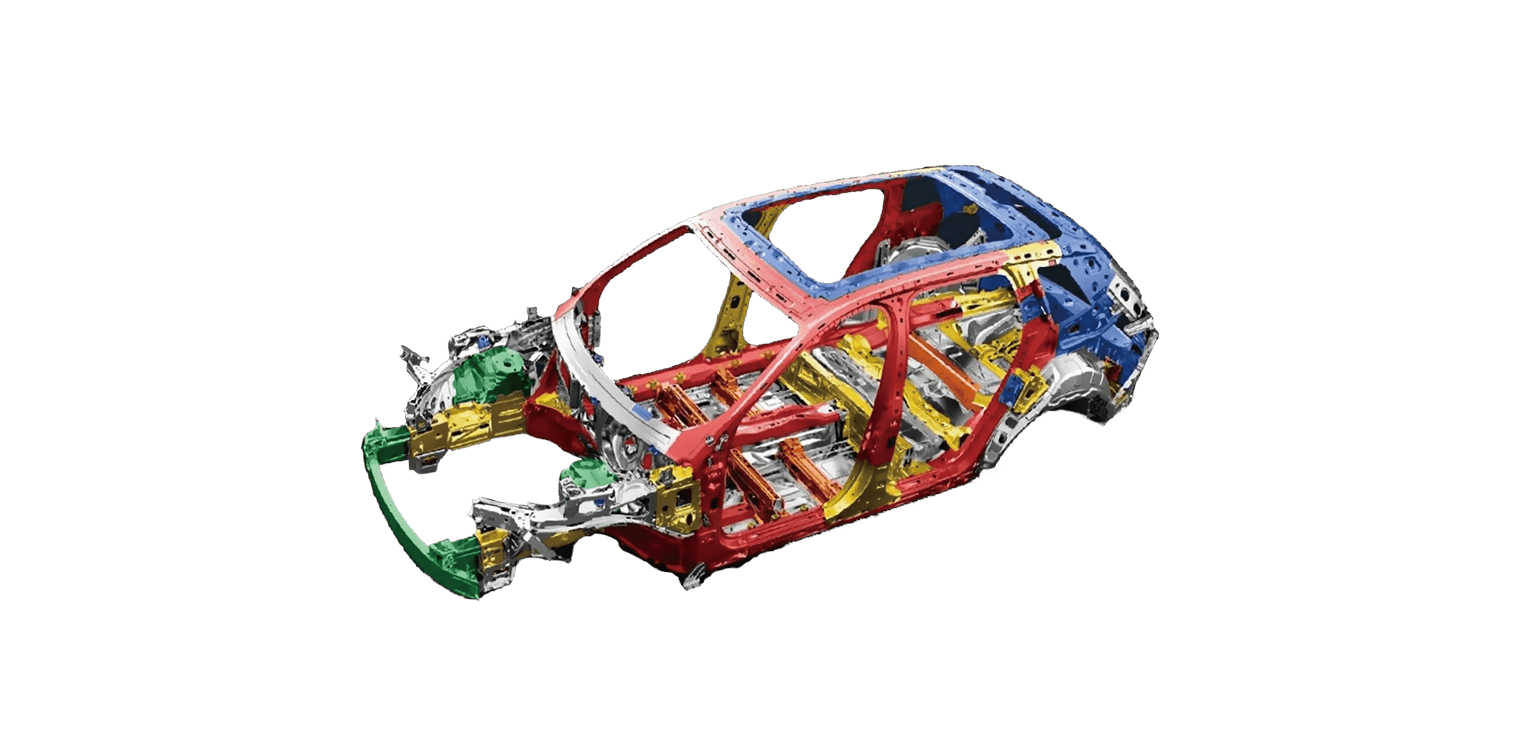
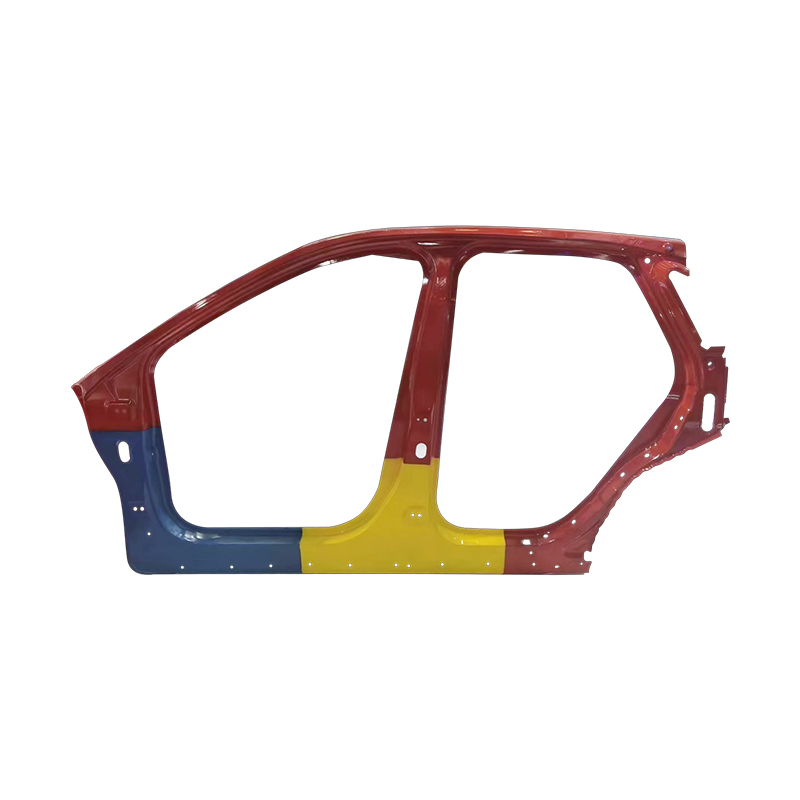
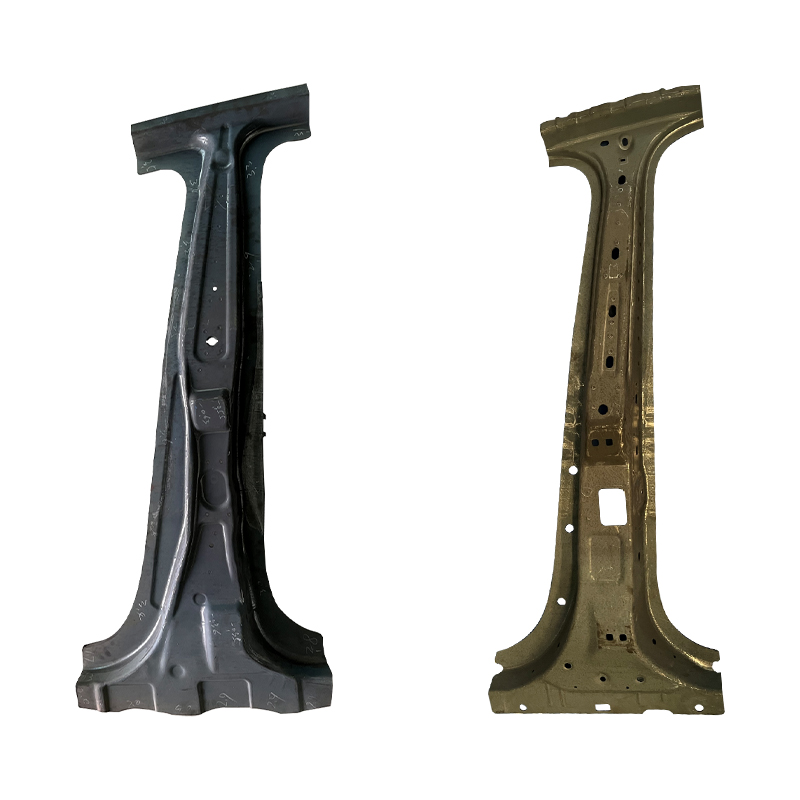
Product type: Door ring, A/B pillar, rear longitudinal beam, side beam, anti-collision beam, center tunnel, floor, sill.

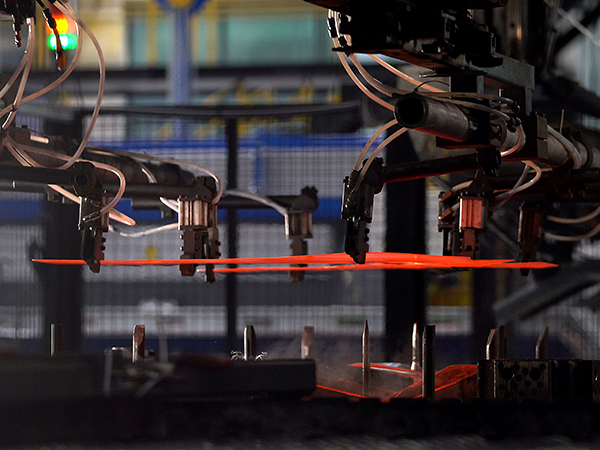
The world's largest hot forming mold development base
The first batch of domestic hot forming technology development and parts mass production enterprises
The first company in China to develop laser-welded door rings and mass produce more than 300,000 pieces
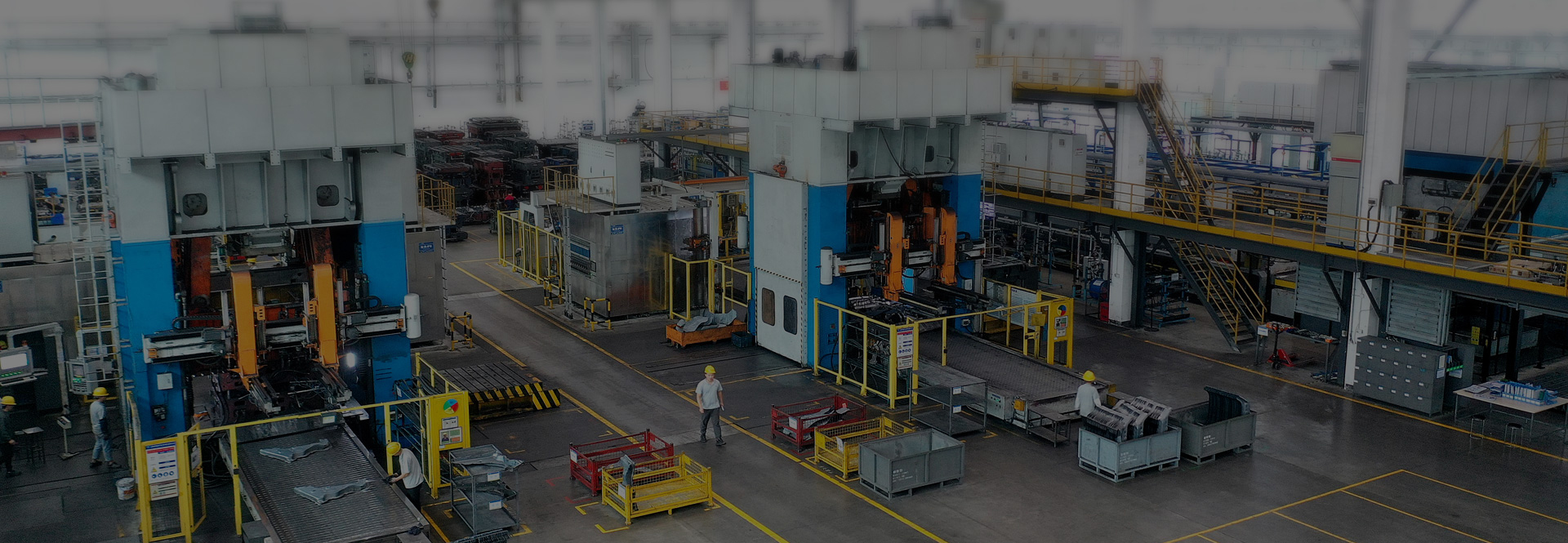
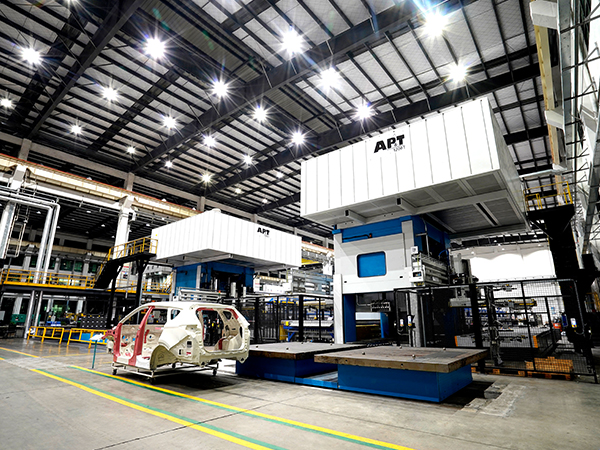
Now has 16 hot forming production lines, production capacity ranks the top three in the country
It has the core technology and production capacity of integrated door ring, TWB, TRB, soft and hard zone, laser welding plate and so on
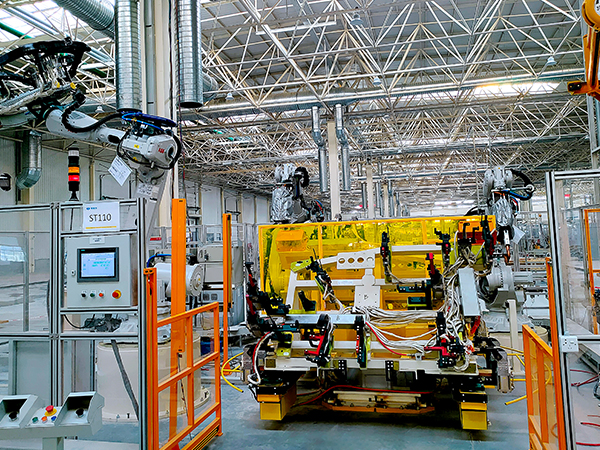
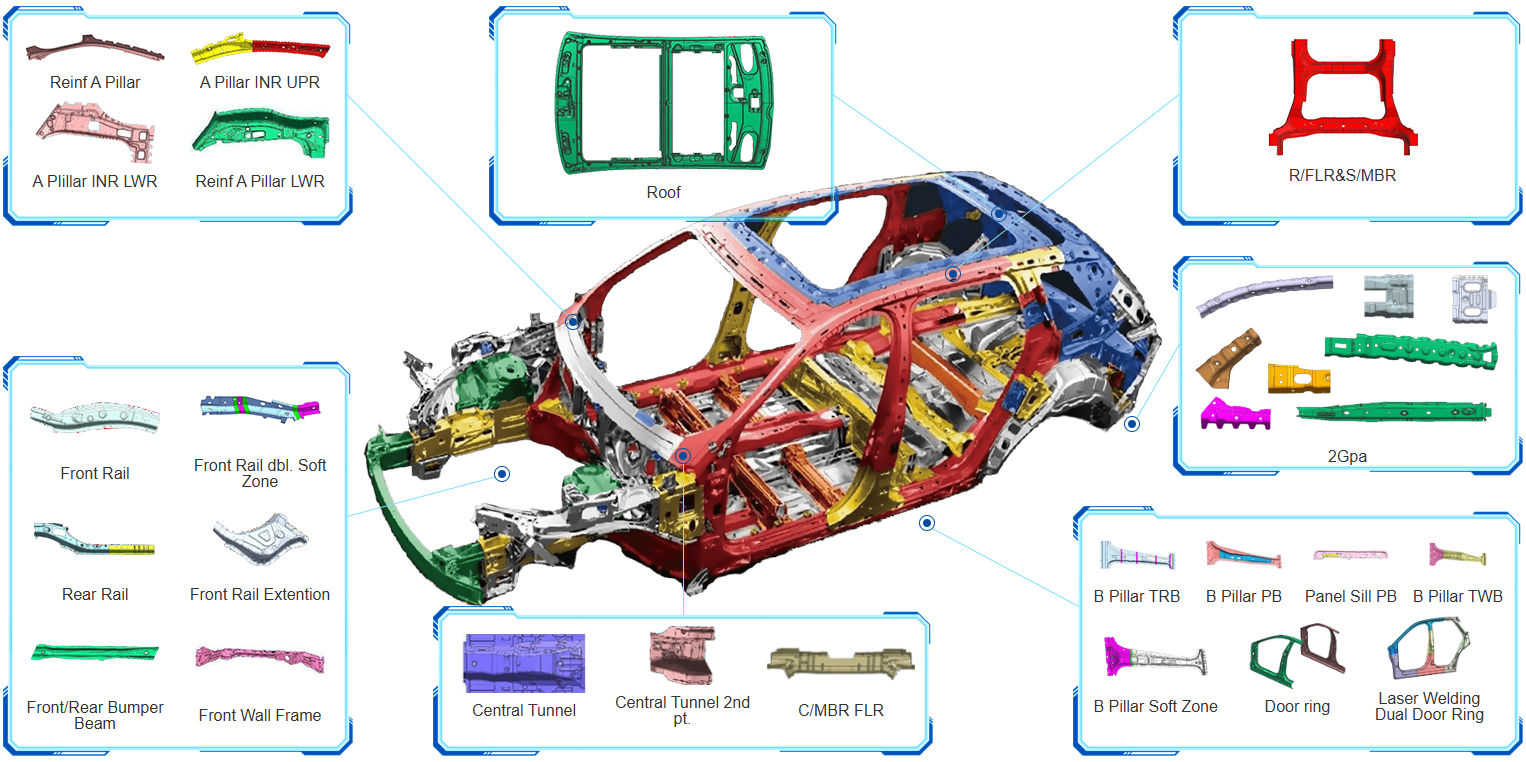
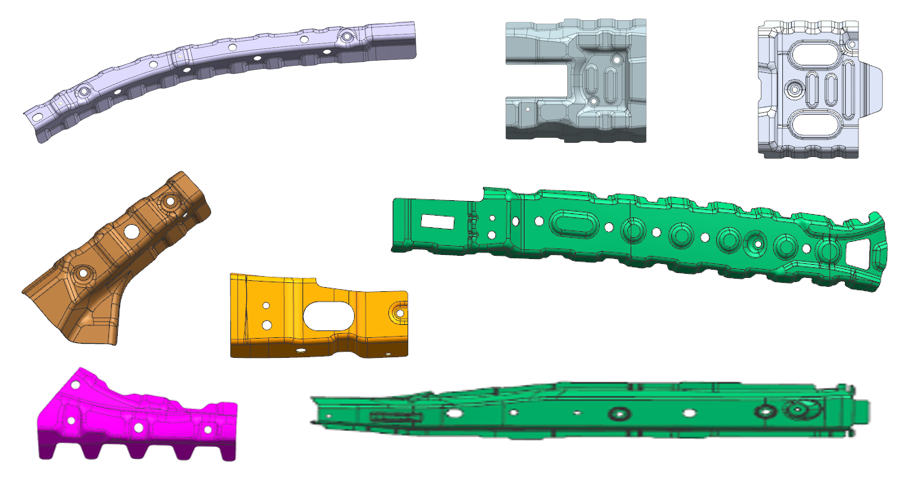
Thermoformed parts
THERMOFORMED PARTS

Reinf A Pillar

A Pillar INR UPR
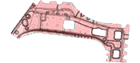
A PIillar INR LWR
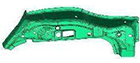
Reinf A Pillar LWR
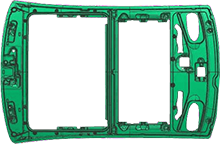
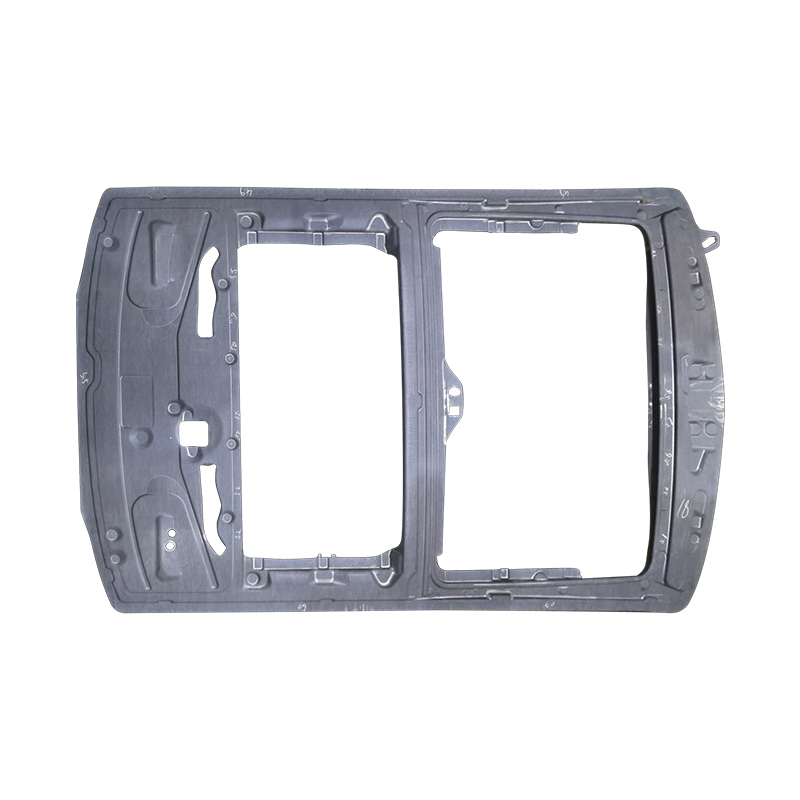
Roof
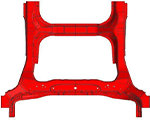
R/FLR&S/MBR

Front Rail
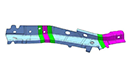
Front Rail dbl. Soft Zone
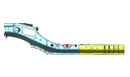
Rear Rail
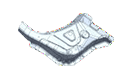
Front Rail Extention
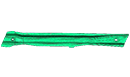
Front/Rear Bumper Beam
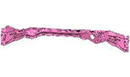
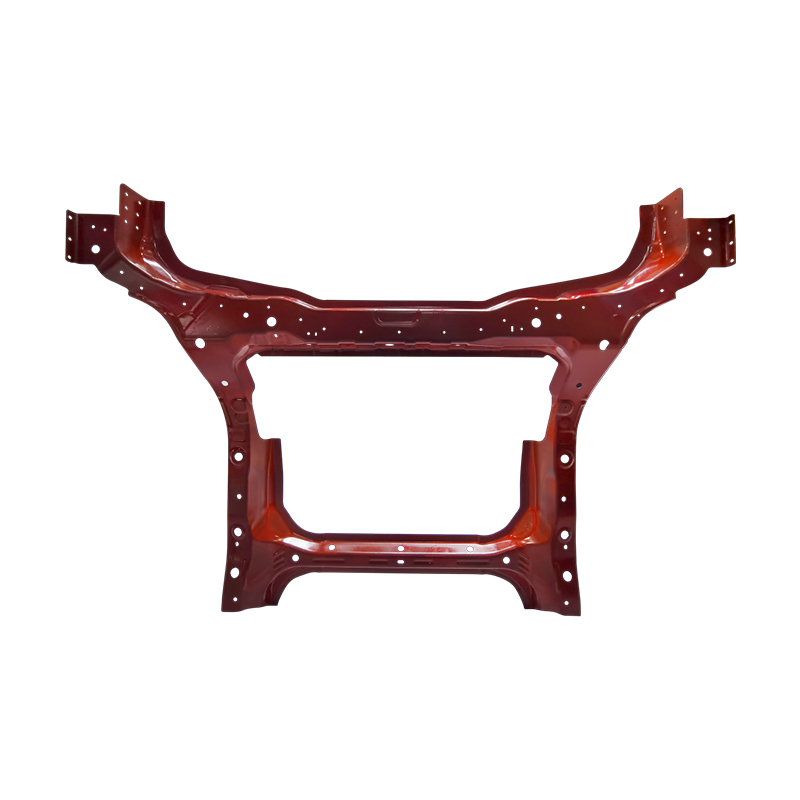
Front Wall Frame


Central Tunnel

Central Tunnel 2nd pt.
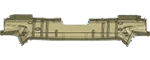
C/MBR FLR

B Pillar TRB
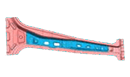
B Pillar PB
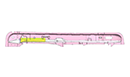
Panel Sill PB
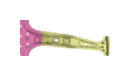
B Pillar TWB
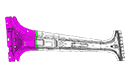
B Pillar Soft Zone
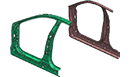
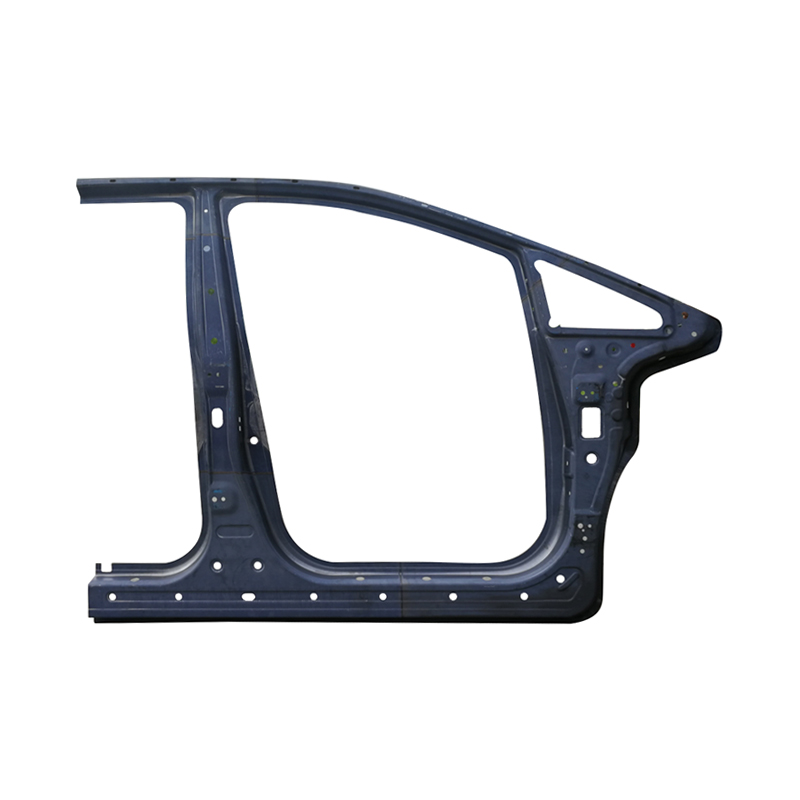
Door ring
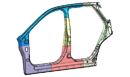
Laser Welding Dual Door Ring
2Gpa
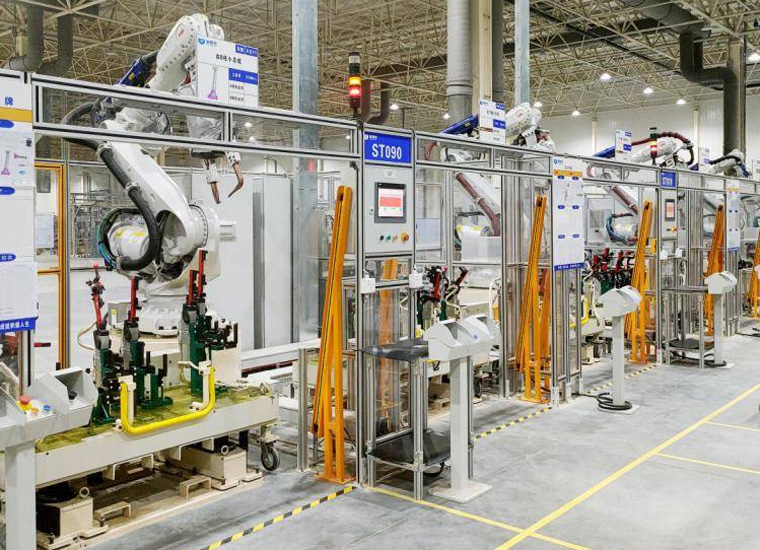
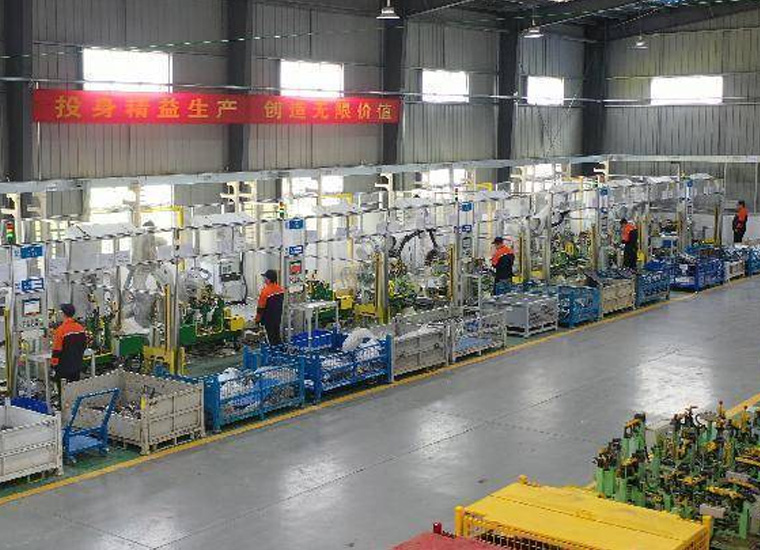
Welding assembly development
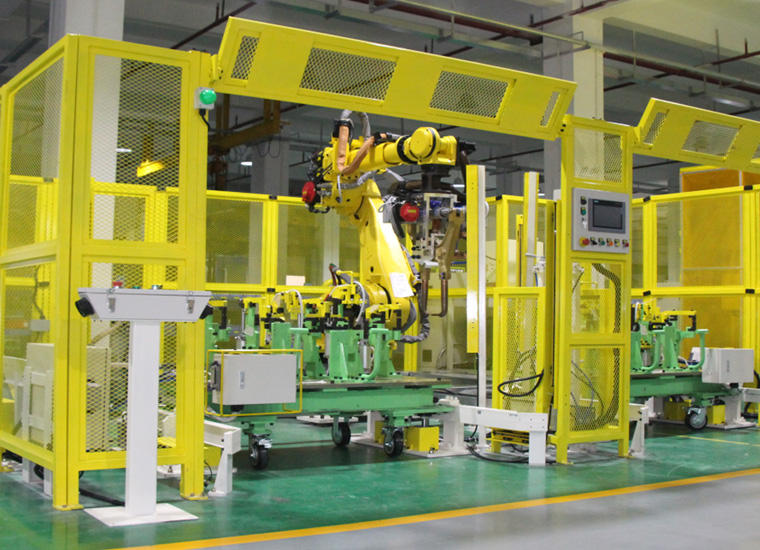
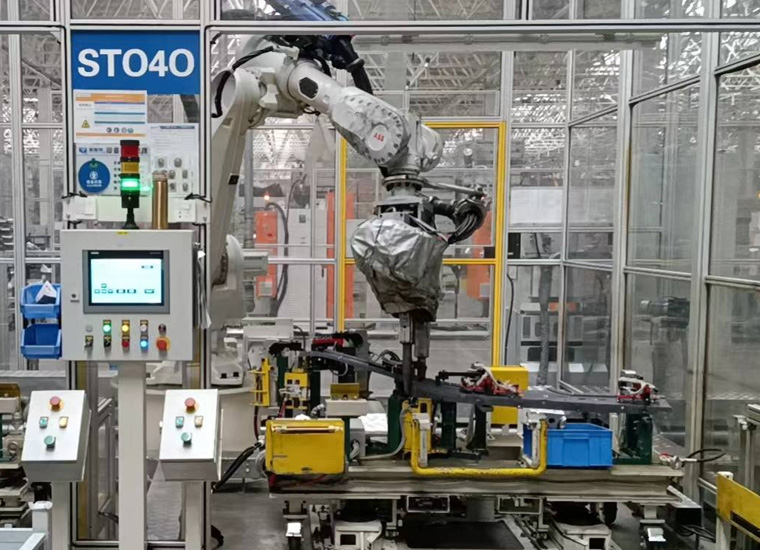
WELDING ASSEMBLY DEVELOPMENT
Dongguan Welding Center
Ningbo Welding Center
Xi'an Welding Center
Jingmen Welding Center

◆ Welding planning and welding simultaneous engineering (SE), dimensional chain analysis and verification, to avoid defects at an early stage of body design.

◆ Body assemblies: covering floor, front and rear anti-collision beams, side walls, etc.

◆ Welding processes: spot welding, projection welding, arc welding, etc.

◆ Welded sheets and lap combinations include: high-strength steel & plain steel, high-strength steel & hot-formed steel, hot-formed steel & hot-formed steel
 

Product Introduction
PRODUCT INTRODUCTION

Laser Welding Dual Door Ring

Laser Welding Dual Door Ring

Laser Welding Dual Door Ring

Reduce body shop complexity and lower investment in stamping dies
· Highly integrated, one-piece design to minimize assembly process costs
· Customized optimization of material properties and efficient load transfer
· Lighter vehicle body with reduced steel consumption
· Integrated material optimization, resulting in fewer stamping dies and weld points
· Compliance with 2025 side-impact regulations; enhanced rear-impact performance for the entire vehicle

Soft Zone

Soft Zone
Soft Zone

Soft Zone

· Circulate cooling water in areas requiring higher strength to ensure a sufficient cooling rate, thereby achieving a fully martensitic transformation;
· Heat the die in areas requiring higher ductility to reduce the cooling rate, resulting in a mixed microstructure—comprising martensite, bainite, and ferrite/pearlite—to create zones with varying degrees of hardness and softness within the part;
· Enable the tailored configuration of a component's strength, hardness, and other properties, ultimately enhancing the vehicle's overall crash performance.

R/FLR&S/MBR

R/FLR&S/MBR
R/FLR&S/MBR

R/FLR&S/MBR

· Lightweighting: 3.0 kg weight reduction (a 17.1% decrease)
· Crash performance: Enhanced vehicle structural rigidity
· Corrosion resistance: Improved sealing and anti-corrosion performance
· Superior assembly tolerance precision
· Reduced carbon footprint for the vehicle underbody

Roof

Roof
Roof

Roof

· Enhance roof crush resistance to meet regulatory requirements
· Create a cage-like structure to improve overall vehicle safety
· Reduce required forming tonnage while meeting production needs

Door ring

Door ring
Door ring

Door ring

· Enhances side-impact performance (with outstanding results in 25° offset impact tests);
· Reduces overlapping sections in welded assemblies and allows for the optimized adjustment of sheet thicknesses for individual components, thereby achieving weight reduction;
· Improves material utilization.